Bee in the Shape of the Number 1 Embroidery Design
The intersection of whimsical art and functional numerals has given rise to unique machine embroidery patterns, with the Bee in the Shape of the Number 1 standing out as a notable example. This design merges the organic curves of a honeybee with the structural linearity of the digit "1," creating a motif that serves both decorative and commemorative purposes. For hobbyists and professionals alike, understanding the nuances of this specific pattern is essential for determining its suitability for various textile projects.
Understanding the Design Concept
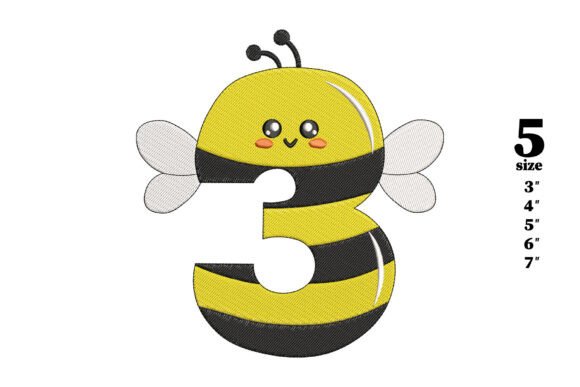
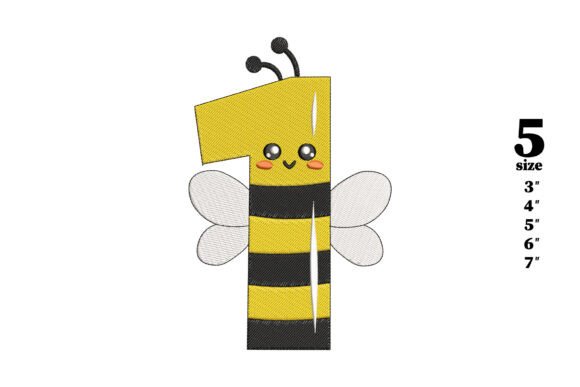
The Bee in the Shape of the Number 1 is not merely a standard numeral or a standalone insect illustration. It is a composite design where the body, wings, and antennae of the bee are strategically arranged to form the silhouette of the number one. This approach requires precise stitch planning to ensure that the anatomical details of the bee remain recognizable while maintaining the integrity of the numerical shape.
In machine embroidery, such hybrid designs rely heavily on density and stitch direction. The high-quality nature of this specific file set ensures that the transition between the bee's textured wings and the solid lines of the number is seamless. Unlike simple appliqué or single-color fills, this design often utilizes satin stitches for outlines and varied fill patterns for the body, adding depth and dimension to the final product. The inclusion of multiple file formats further supports versatility, allowing users to import the design into a wide range of embroidery machines without compatibility issues.
Reasons for Interest and Appeal
Several factors drive interest in the Bee in the Shape of the Number 1. Primarily, it addresses the growing demand for personalized first birthday gifts. Parents and grandparents often seek unique ways to mark a child's first year that move beyond generic text. A bee motif adds a layer of sweetness and playfulness, symbolizing industry and growth, which resonates well with themes of early childhood development.
Beyond birthdays, the design appeals to those interested in home décor that balances functionality with artistry. The number "1" can signify achievement, ranking, or simply a minimalist aesthetic, while the bee element introduces an organic touch. This duality makes the design attractive for individuals looking to create custom items such as nursery wall hangings, personalized towels, or commemorative tote bags. The ability to integrate this design into existing projects without requiring complex manual stitching also contributes to its popularity among time-conscious crafters.
Benefits and Practical Advantages
The primary benefit of utilizing a pre-made digital file for the Bee in the Shape of the Number 1 is efficiency. Machine embroidery eliminates the hours of hand-stitching required to achieve similar detail levels. The design files are typically optimized for speed, ensuring that the project can be completed quickly while maintaining high standards of finish. Furthermore, the availability of multiple file formats means that users are not locked into a specific brand of embroidery machine, offering flexibility for those who upgrade equipment or share resources within a community.
Another significant advantage is consistency. When producing multiple items, such as a set of matching napkins or a batch of gifts, machine embroidery guarantees that every instance of the bee-number hybrid looks identical. This level of precision is difficult to replicate by hand. Additionally, the design's elegance allows it to scale effectively; it can be stitched small enough for a clothing label or enlarged for a blanket border, provided the machine capabilities support the size change.
Tradeoffs and Considerations
While the design offers numerous advantages, there are tradeoffs to consider before purchasing or using the file. One potential limitation is fabric compatibility. Because the design combines intricate details with bold shapes, it may require a stabilizer to prevent puckering, especially on stretchy or lightweight fabrics like jersey knit. Users must evaluate their material choices carefully to ensure the final result remains flat and professional.
Color selection is another critical factor. The visual impact of the Bee in the Shape of the Number 1 depends heavily on thread contrast. On dark fabrics, lighter threads may obscure the fine details of the bee's wings, while on light fabrics, dark threads might overwhelm the subtle curves of the number. Achieving the desired look often requires testing on a scrap piece of fabric first, which adds time to the production process. Additionally, the complexity of the design may consume more thread than simpler motifs, increasing material costs for large-scale projects.
Ideal Use Cases
The Bee in the Shape of the Number 1 is a strong fit for specific scenarios where personalization and thematic relevance are paramount. It is particularly effective for first birthday celebrations, where the design can be embroidered onto onesies, bibs, or keepsake quilts. In these contexts, the playful nature of the bee complements the celebratory mood of the event.
It also works well for home textiles intended for nurseries or children's rooms. Embroidered pillowcases, curtains, or wall art featuring this design can add a cohesive theme to a room's decor. For small business owners, the design offers a viable option for creating limited-edition merchandise, such as branded aprons or tote bags, where a unique logo or identifier is needed. The design's versatility allows it to function as both a focal point and a subtle accent, depending on the placement and size chosen.
When to Consider Alternatives
Despite its merits, the Bee in the Shape of the Number 1 may not be the optimal choice for every project. If the goal is to create a design for formal wear or corporate branding, the whimsical nature of a bee might clash with the desired tone. In such cases, a more abstract or geometric interpretation of the number "1" would likely be more appropriate.
Furthermore, if the project involves extremely delicate fabrics that cannot withstand the tension of machine stitching, such as sheer chiffon or antique lace, this design could cause damage. Hand embroidery or alternative embellishment techniques like beadwork might be safer options for these materials. Additionally, if the budget for thread and stabilizers is tight, simpler single-color designs may offer a more cost-effective solution without sacrificing the numerical message.
Decision-Making Insights
To determine if the Bee in the Shape of the Number 1 aligns with your goals, start by assessing the intended use of the final product. Ask whether the playful aesthetic fits the recipient or the environment. Next, evaluate your technical setup; ensure your embroidery machine can handle the stitch count and density of the design without errors. Finally, consider the long-term value. While the initial investment in the file and materials may be higher than a printed alternative, the durability and tactile quality of embroidered work often provide greater longevity and perceived value.
By weighing these factors, you can make an informed decision about incorporating this unique design into your creative workflow. Whether for a cherished gift or a decorative addition to your home, the Bee in the Shape of the Number 1 offers a distinctive blend of charm and utility that stands out in the world of machine embroidery.