Candy Stripe Alphabet - E: A Workflow Guide for Professional Embroidery
In the realm of machine embroidery, the choice of font often dictates the visual impact and structural integrity of a finished project. The Candy Stripe Alphabet - E represents more than just a decorative letter; it is a specific asset designed to streamline the digitization process while delivering high-quality results on fabric. For professionals managing custom apparel lines, hobbyists creating personalized gifts, or small business owners producing home décor, understanding how this specific fill stitch font integrates into a production workflow is essential for maintaining consistency and efficiency.
This article explores the practical application of the Candy Stripe Alphabet - E, focusing on its role in planning, execution, and quality control within an embroidery operation. By examining its technical specifications and compatibility, creators can better assess where this font fits into their broader creative and business processes.
Understanding the Design Mechanics and Digitization
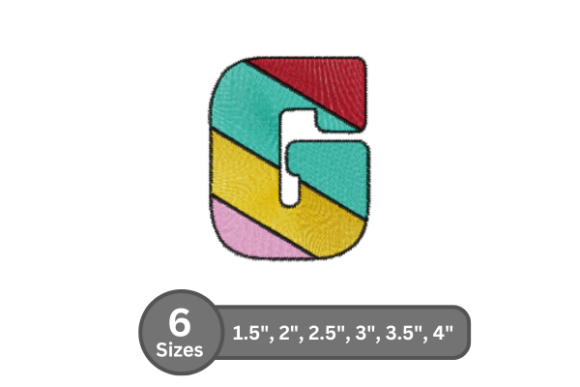
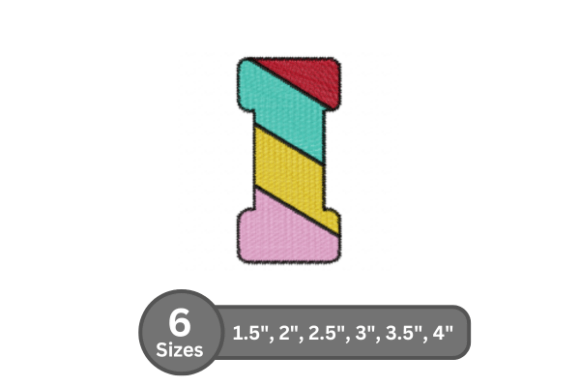
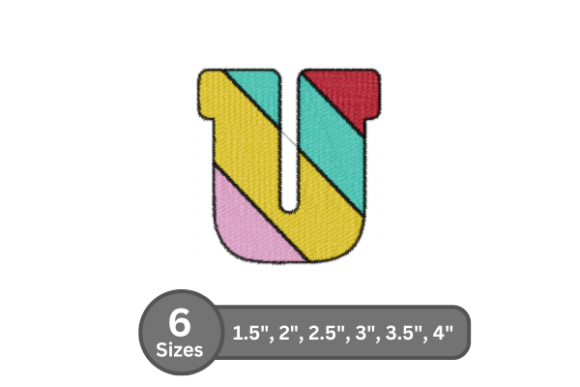
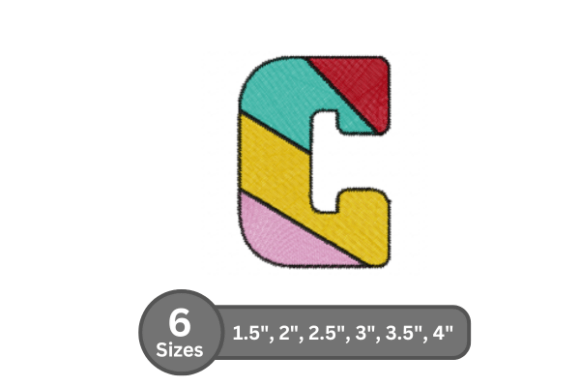
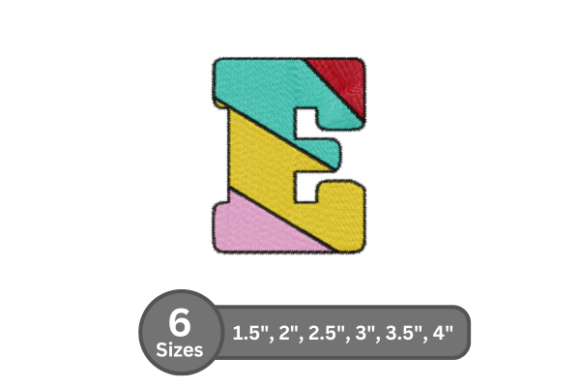
The core value of the Candy Stripe Alphabet - E lies in its careful digitization. Unlike generic fonts that may require significant manual adjustment to prevent puckering or thread breakage, this design has been optimized specifically for smooth stitching. The "fill stitch" technique used here involves dense coverage with satin-like edges, creating a bold, classic look that stands out against various fabric backgrounds.
From a technical standpoint, the digitization process for this font accounts for thread tension, pull compensation, and stitch direction. When you load the Candy Stripe Alphabet - E into your software, the underlying data already contains instructions that minimize common issues like underlay gaps or over-trimming. This reduces the time spent on test runs and allows for a faster transition from digital design to physical product.
For those who manage multiple projects simultaneously, the reliability of a pre-digitized font is a critical time-saver. It removes the variable of learning curve associated with complex custom digitizing, allowing the operator to focus on placement, hoop alignment, and color selection. The result is a predictable outcome that meets professional standards without requiring advanced troubleshooting skills for every single run.
Integrating the Font into Project Planning
Successful embroidery projects begin long before the needle touches the fabric. Integrating the Candy Stripe Alphabet - E into your planning phase involves assessing the specific requirements of the garment or item being embroidered. Whether you are personalizing a corporate uniform, a wedding guest towel, or a branded tote bag, the font's characteristics must align with the material and the intended aesthetic.
Pre-Production Assessment
- Fabric Compatibility: Evaluate the weight and weave of the fabric. The bold nature of the Candy Stripe Alphabet - E works exceptionally well on stable fabrics like denim, canvas, and heavy cotton blends. On stretchy knits, additional stabilizers may be required to maintain the integrity of the fill stitches.
- Size Constraints: Determine the available space on the item. While the font is versatile, the density of the fill stitch means that very small sizes (under 0.5 inches) may lose definition. Plan your layout to ensure the letter "E" and subsequent characters have enough room to breathe.
- Color Strategy: Consider the contrast between the thread color and the base material. The candy stripe effect relies on clear definition, so high-contrast pairings often yield the most professional results.
During the decision-making phase, consider how this font interacts with other design elements. If you are combining the Candy Stripe Alphabet - E with logos or other graphical assets, ensure the stitch counts are balanced. A heavy fill stitch next to a delicate outline stitch can create uneven tension if not managed correctly in the sequencing software.
Workflow Execution and Machine Compatibility
Once the planning phase is complete, the execution stage focuses on seamless integration with your embroidery hardware. One of the primary advantages of the Candy Stripe Alphabet - E is its availability in multiple file formats. This flexibility ensures compatibility with a wide range of embroidery machines, from entry-level domestic models to industrial multi-head systems.
File Format Management
Different machines require different file extensions (such as .PES, .DST, .JEF, or .EXP). Having access to these formats eliminates the need for third-party conversion tools, which can sometimes introduce errors into the stitch path. By using the native files provided with the Candy Stripe Alphabet - E, you preserve the original digitization intent, ensuring that the smooth stitching characteristics remain intact.
Hopping and Stabilization
When setting up the machine, pay close attention to the hooping process. Because this is a fill stitch font, the fabric will experience some pull during the stitching cycle. Using the appropriate cutaway or tear-away stabilizer is non-negotiable for maintaining the crisp edges of the letters. For items like bags or towels, where the fabric thickness varies, adjust the hoop pressure accordingly to prevent shifting.
Thread Selection
To achieve the "classic and bold stitched look" promised by the design, select high-quality polyester or rayon threads. These materials offer the sheen and durability necessary to highlight the candy stripe texture. Avoid matte cotton threads unless a specific rustic aesthetic is desired, as they may not reflect light in a way that accentuates the fill pattern effectively.
Quality Control and Consistency
Maintaining quality across a batch of products is a key concern for entrepreneurs and small business owners. The Candy Stripe Alphabet - E supports consistency because the digitization is standardized. However, human error in setup can still affect the final output. Implementing a rigorous quality control (QC) checklist helps mitigate these risks.
Before running a full production batch, always perform a test stitch on a scrap piece of the same fabric. Check for:
- Stitch Density: Ensure the fill is solid without holes or excessive bunching.
- Registration: Verify that the letter shapes are true and not distorted by fabric movement.
- Trimming: Inspect the jump stitches to ensure they are trimmed cleanly, preventing loose threads on the backside of the work.
If you are working in a team environment, document the settings used for the Candy Stripe Alphabet - E. Record the stabilizer type, thread brand, hoop size, and any specific machine settings. This documentation becomes a valuable resource for training new staff or replicating successful designs months later.
Strategic Use Cases for Creators and Businesses
The versatility of this font makes it suitable for various applications beyond simple monograms. Here is how different types of users can leverage the Candy Stripe Alphabet - E in their specific workflows:
Small Business Owners and Branding
For businesses selling custom apparel, this font offers a distinctive branding element. It can be used for initials on polo shirts, department names on aprons, or promotional text on tote bags. The bold appearance ensures visibility, making it ideal for marketing materials where legibility at a distance is important.
Educators and Event Planners
In educational settings or event planning, the font is excellent for labeling supplies or creating commemorative items. Teachers can personalize classroom materials, while event planners can produce matching accessories for weddings or conferences. The ease of use allows for quick turnaround times when deadlines are tight.
Hobbyists and Home Décor Enthusiasts
For individual creators, the Candy Stripe Alphabet - E provides a professional touch to DIY projects. Embroidering initial letters onto pillowcases, kitchen towels, or baby blankets adds a personalized flair that elevates handmade gifts. The smooth stitching ensures that even beginners can achieve polished results without extensive trial and error.
Long-Term Asset Management
Viewing the Candy Stripe Alphabet - E as a long-term asset rather than a one-time download changes how you organize your digital library. Store the files in a structured directory system, categorized by style, format, and intended use. Back up these files regularly to prevent data loss.
As your business or hobby evolves, revisit your font library to identify opportunities for cross-promotion or bundle creation. For instance, if you sell embroidered bags, you might offer a "Personalization Package" that includes the Candy Stripe Alphabet - E as a premium add-on. This strategy increases the perceived value of your services and streamlines the customization process for your clients.
Furthermore, staying updated with machine firmware and software updates ensures that older file formats remain compatible. Regularly testing your favorite fonts on new equipment prevents obsolescence and keeps your production capabilities current.
Conclusion on Implementation
The Candy Stripe Alphabet - E is a robust tool that bridges the gap between creative vision and technical execution. Its carefully digitized structure supports smooth stitching, reducing downtime and enhancing the professional quality of embroidered goods. By integrating this font into a structured workflow—spanning from initial planning and material selection to machine setup and quality control—creators can maximize efficiency and consistency.
Whether you are a freelancer fulfilling a custom order or a business owner scaling production, the adaptability and reliability of this font make it a valuable addition to your digital toolkit. Focus on preparation, respect the technical requirements of the fill stitch, and utilize the available file formats to their fullest potential. With these practices in place, the Candy Stripe Alphabet - E will serve as a dependable foundation for countless successful projects.