Soft Cord Alphabet -I: An Evaluation of a Fill Stitch Embroidery Font
For embroidery enthusiasts and professionals alike, selecting the right digitized font is a critical step in ensuring the quality of a finished project. The Soft Cord Alphabet -I has emerged as a specific option for those seeking a distinct aesthetic that mimics traditional corded lettering without the complexity of actual cording techniques. This article evaluates the characteristics, applications, and practical considerations of this fill stitch embroidery font to help you determine if it aligns with your specific design goals.
Understanding Soft Cord Alphabet -I
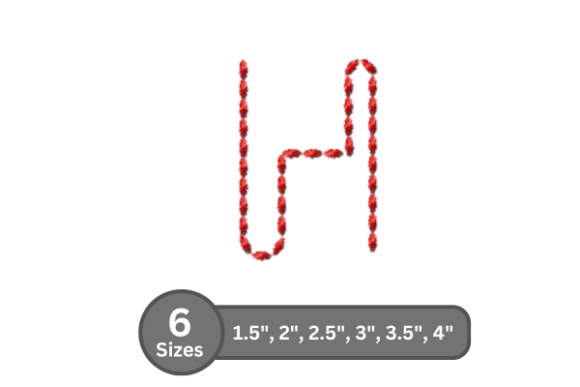
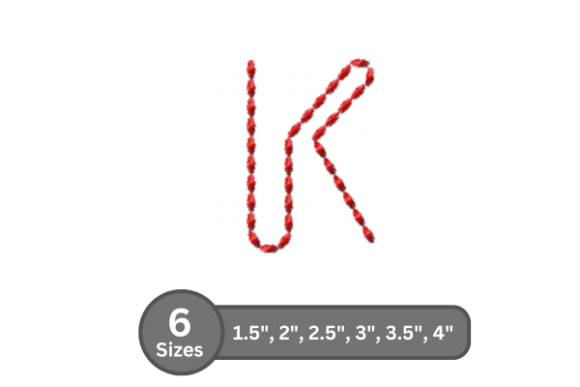
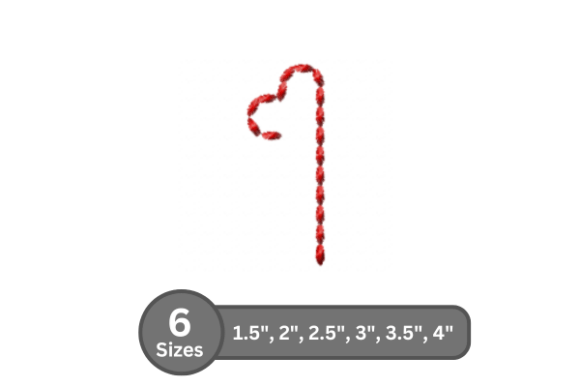
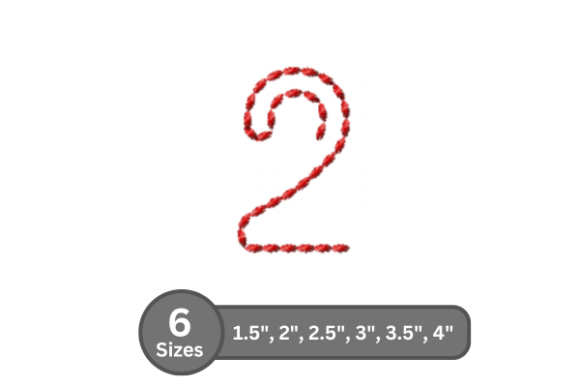
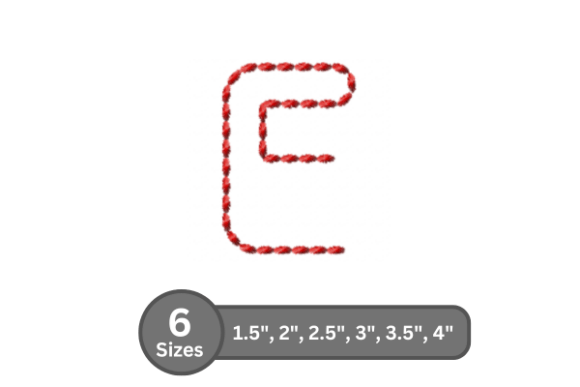
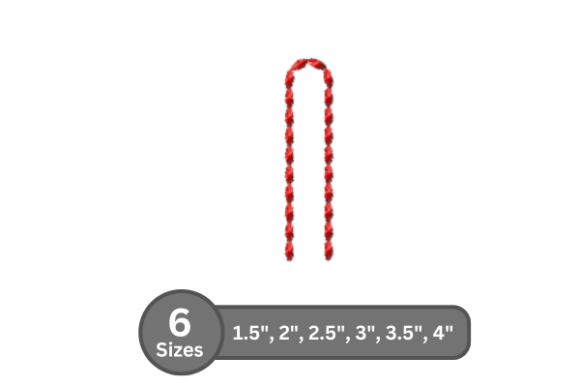
The Soft Cord Alphabet -I is a digital embroidery file designed specifically for computerized embroidery machines. Unlike standard text fonts that may rely on simple satin stitches or basic fills, this font utilizes a carefully digitized fill stitch technique to create the illusion of raised, soft corded letters. The "fill stitch" aspect means the interior of the characters is densely stitched to provide coverage and structure, while the edges are defined to suggest the rounded, tubular look of a cord.
This design approach allows the font to maintain its shape and legibility across various fabric types. Because it is digitized for smooth stitching, the file includes necessary underlay and pull compensation settings intended to prevent puckering and ensure the letters sit flat against the material. The result is a bold, classic appearance that stands out due to its textured depth, offering a professional finish that can elevate simple personalization projects.
Why Consider This Font for Your Projects?
There are several compelling reasons why an embroiderer might choose the Soft Cord Alphabet -I over other available options. Primarily, the aesthetic appeal of a "soft cord" look offers a vintage or nautical feel that is difficult to achieve with standard block letters. It provides a sense of dimensionality that makes names and monograms pop, adding a tactile element to the final product.
Furthermore, the versatility of the font is a significant advantage. Each letter comes in multiple sizes, allowing users to scale the design up for large tote bags or down for small garment labels without losing the integrity of the stitch pattern. For those working on home décor items like towels, pillowcases, or throw blankets, this font offers a decorative touch that feels substantial and high-quality. The ability to produce a consistent, professional result with minimal manual intervention makes it an attractive choice for both hobbyists and commercial operators looking to streamline their workflow.
Benefits and Practical Advantages
The primary benefit of using a carefully digitized font like Soft Cord Alphabet -I is reliability. When a font is optimized for smooth stitching, it reduces the likelihood of thread breaks, skipped stitches, or registration errors during the embroidery process. This optimization translates to less time spent troubleshooting and more time producing finished goods.
- Consistency: The fill stitch construction ensures that every letter looks uniform, which is essential for branding or matching sets of personalized items.
- Durability: Dense fill stitches tend to hold up well against washing and wear, making this font suitable for items that require frequent laundering, such as clothing and linens.
- Ease of Use: Since the file is pre-digitized, users do not need advanced software skills to create the effect from scratch. They can simply load the file into their machine and begin stitching.
Additionally, the bold nature of the font ensures high visibility. Whether used for a child's name on a backpack or a family monogram on a bath towel, the design commands attention. The "soft" aspect of the cord effect also means it is generally comfortable against the skin compared to stiff, heavily stabilized satin stitch outlines, enhancing its suitability for wearable apparel.
Tradeoffs and Considerations
While the Soft Cord Alphabet -I offers many advantages, there are tradeoffs to consider before committing to a project. One of the most significant factors is thread consumption. Fill stitches inherently use more thread than simple outline or satin stitches. For large-scale projects or when working with expensive specialty threads, this increased usage can impact the overall cost of production.
Another consideration is the density of the stitch. Because the font relies on a dense fill to create the corded illusion, it requires appropriate stabilizer support. On very lightweight or stretchy fabrics, such as thin jersey knits, the weight of the fill stitch could cause puckering if the wrong stabilizer is chosen. Users must be prepared to test the design on a scrap piece of the actual fabric to ensure the tension and stabilization are correct.
Furthermore, the style may not suit every design aesthetic. The bold, heavy look of a corded font can overwhelm delicate designs or small areas where subtlety is preferred. It is a statement font, and as such, it dictates the visual tone of the project. If the goal is a minimalist or understated look, this font might be too prominent.
Ideal Applications for Soft Cord Alphabet -I
This font is a strong fit for specific scenarios where durability and visual impact are priorities. It excels in personalizing items that will see regular use and washing. For example, adding a name to a school uniform, a sports jersey, or a work apron benefits from the robustness of the fill stitch construction.
It is also highly effective for home décor. Towels, washcloths, and table linens often feature monograms or names, and the textured look of the Soft Cord Alphabet -I complements the woven texture of these fabrics beautifully. Similarly, for canvas tote bags, denim jackets, or heavy cotton t-shirts, the font provides a rugged yet refined appearance that matches the sturdiness of the material.
Creative lettering projects that require a retro or classic vibe also find a natural home with this font. Whether creating custom signage for a boutique or designing unique gifts, the style bridges the gap between modern machine embroidery and traditional hand-stitched aesthetics.
When to Consider Alternatives
Despite its strengths, there are situations where alternatives to Soft Cord Alphabet -I may be worth considering. If you are working with extremely fine fabrics like silk or chiffon, the density of the fill stitch might distort the material. In these cases, a lighter weight font or one utilizing satin stitches would be more appropriate.
Similarly, if the project involves a very small hoop size or limited space, the multiple sizes included in this font may still be too large. Some alternative fonts offer micro-lettering capabilities that allow for tiny text placement without sacrificing legibility. Additionally, if speed is the primary concern for a high-volume production run, a simpler font with fewer stitch counts might reduce cycle time significantly, even if the aesthetic is slightly less detailed.
Finally, if the desired look is strictly modern or geometric, the organic, rounded feel of a corded alphabet might clash with the design intent. Exploring sans-serif or script fonts could provide a better stylistic match for contemporary branding or fashion-forward apparel.
Making the Right Decision
Deciding whether to use the Soft Cord Alphabet -I ultimately depends on balancing aesthetic desires with technical constraints. Before purchasing or downloading the font, evaluate the fabric type, the intended use of the item, and the available hoop space. A practical first step is always to run a test stitch on a similar material to assess how the fill stitch interacts with the fabric grain and stabilizer.
If your goal is to add a classic, bold, and durable stitched look to clothing, bags, towels, or home décor, this font offers a reliable solution. Its careful digitization supports professional results, minimizing common embroidery issues. However, for delicate materials or ultra-minimalist designs, exploring other options may yield a better outcome. By understanding the specific strengths and limitations of this embroidery alphabet, you can make an informed decision that enhances the quality and longevity of your creative projects.