Teach with Bow Embroidery Design: A Practical Evaluation for Crafters
In the expansive world of machine embroidery, selecting the right design often hinges on balancing aesthetic appeal with technical versatility. The Teach with Bow Embroidery Design has emerged as a notable option for those seeking to infuse a sense of whimsy and playfulness into textile projects. Unlike generic patterns that may lack character, this specific design combines a clear educational motif with decorative elements, making it particularly relevant for teachers, students, and home decor enthusiasts alike. For adults aged 20 to 50 who are navigating the complexities of digital downloads, file compatibility, and project suitability, understanding the nuances of this design is essential before committing to a purchase.
Defining the Distinctive Elements of the Design
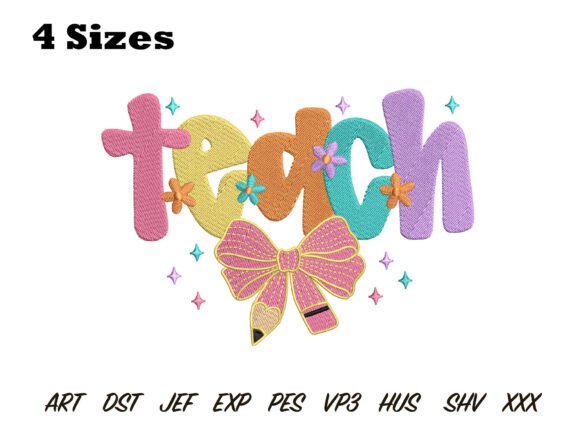
The core value proposition of the Teach with Bow Embroidery Design lies in its thematic duality. It merges the concept of education—often represented through books, pencils, or open pages—with the softness and charm of a ribbon bow. This combination creates a visual narrative that is both celebratory and functional. While many embroidery patterns focus solely on text or abstract shapes, this design offers a structured composition that guides the eye naturally across the fabric.
What sets this pattern apart from standard lettering or floral motifs is its adaptability across different contexts. The inclusion of the bow element softens the potentially rigid nature of educational themes, rendering it suitable for items ranging from professional teacher gifts to children's apparel. The digitization quality is another critical factor; a well-executed design ensures that the intricate details of the bow's folds and the text remain crisp without excessive thread breaks or puckering. When evaluating such resources, the clarity of the stitch path and the efficiency of the stitch count are paramount indicators of quality.
Comparing Formats and Machine Compatibility
A primary consideration for any crafter purchasing digital embroidery files is format compatibility. The Teach with Bow Embroidery Design typically comes packaged with multiple file formats, addressing a common pain point in the industry where users are locked into specific machine ecosystems. Whether you operate a Brother, Bernina, Janome, or Pfaff machine, having access to native formats like .PES, .JEF, .VIP, or .DST eliminates the need for third-party conversion software, which can sometimes introduce errors or alter stitch density.
When comparing this multi-format approach against single-format alternatives, the tradeoff is often price versus convenience. Single-format designs may be slightly cheaper, but they require the user to possess compatible hardware or invest time in converting files. In contrast, the bundled approach of the Teach with Bow Embroidery Design streamlines the workflow. However, users should verify that their specific machine model supports the included formats. Older machines might struggle with high-density designs if the file version is too new, so checking the manufacturer's specifications remains a prudent step.
Furthermore, the flexibility of these formats allows for experimentation. A crafter might test the design on a small hoop using one format and then scale it up for a larger project using another, provided the digitizer has optimized the scaling parameters. This level of control is less common in pre-printed transfer sheets or physical stencils, highlighting the advantage of digital downloads for serious hobbyists.
Evaluating Use Cases: From Apparel to Home Decor
The versatility of the Teach with Bow Embroidery Design extends beyond mere file formats to the actual application on various substrates. Its playful yet refined aesthetic makes it an excellent candidate for t-shirts, tote bags, and towels. On cotton t-shirts, the design benefits from the use of tear-away stabilizers, ensuring the bow and text sit flat against the fabric. The moderate stitch count usually associated with such designs prevents the fabric from becoming overly stiff, a common issue with dense, heavy-duty patterns.
For home decor applications, such as pillowcases or kitchen towels, the design adds a personalized touch that mass-produced items cannot replicate. The "teach" theme resonates well in nurseries, classrooms, or study areas, while the bow adds a decorative flourish that complements existing interior styles. Compared to screen printing or heat transfers, embroidery offers greater durability and texture. While screen printing is cost-effective for bulk orders, embroidery provides a premium feel that justifies the higher labor and material costs for individual or small-batch projects.
However, there are limitations to consider. Delicate fabrics like silk or very thin synthetics may not hold the weight of the embroidery well, regardless of the design's quality. In such cases, the Teach with Bow Embroidery Design might require significant adjustments in tension and stabilizer choice, or it might be better suited for heavier materials like denim or canvas. Users must assess the fabric weight and weave before attempting the stitch-out to avoid distortion.
Weighing Strengths Against Alternatives
When placing the Teach with Bow Embroidery Design within the broader market of embroidery resources, several strengths become apparent. First, the thematic specificity fills a niche that generic "teacher appreciation" designs often miss. Many available options rely heavily on cliché imagery, whereas this design attempts a balance between sentiment and style. Second, the availability of multiple file formats reduces technical barriers, making it accessible to a wider range of machine owners.
Nevertheless, potential buyers should weigh these strengths against their specific needs. If a crafter requires a highly customizable design where they can easily edit the text or change the color scheme of the bow within their own software, a vector-based source file (like .AI or .EPS) might be a superior alternative, though it requires advanced digitizing skills. The Teach with Bow Embroidery Design is generally sold as a finished stitch file, meaning the creative work is done for you, but the ability to tweak the design post-purchase is limited compared to raw vector assets.
Another comparison point is the stitch count relative to production time. Designs with lower stitch counts are faster to produce, which is advantageous for those running small businesses or fulfilling large gift orders. Conversely, higher stitch counts offer more detail but consume more thread and time. Evaluating the stitch count of this specific design against similar offerings helps determine if it fits your production timeline. If speed is the priority, a simplified version of the same motif might be preferable, even if it sacrifices some of the bow's intricate detailing.
Decision Factors: Is This the Right Choice?
Determining whether the Teach with Bow Embroidery Design is the right resource depends largely on the end goal of the project. It is an ideal choice for:
- Personalized Gifts: Creating unique items for educators, tutors, or students where a handmade touch is valued.
- Small Business Owners: Those producing boutique clothing or home goods who need reliable, multi-format files to minimize setup time.
- Hobbyists Seeking Variety: Crafters looking to move beyond simple monograms into more complex, illustrative compositions.
Conversely, readers may need to look elsewhere if:
- They Require Full Customization: If the text needs to be changed frequently or the bow color altered programmatically, a custom digitizing service or editable vector file is necessary.
- Bulk Production is the Focus: For runs exceeding hundreds of units, screen printing or sublimation may offer a more cost-effective solution than embroidery.
- Fabric Constraints Exist: If working exclusively with extremely delicate or stretchy fabrics that cannot support the density of the design, simpler patterns are safer bets.
Practical Implementation Tips
To maximize the potential of the Teach with Bow Embroidery Design, proper preparation is key. Always perform a test run on a scrap piece of the intended fabric to check for alignment issues, especially where the text meets the bow graphic. Adjusting the hoop placement can prevent the design from landing in an awkward spot on curved surfaces like sleeves or pockets. Additionally, selecting the correct needle size and thread type will significantly impact the final appearance. Polyester threads often provide better sheen for the bow, while cotton threads may blend more subtly with natural fibers.
Ultimately, the decision to use this design should be grounded in a clear understanding of your project requirements and machine capabilities. By evaluating the format compatibility, stitch density, and aesthetic fit, crafters can ensure that the Teach with Bow Embroidery Design serves as a valuable asset in their creative toolkit rather than just another unused download. Whether for a heartfelt gift or a commercial product, the right design executed correctly brings tangible charm and lasting quality to any fabric.